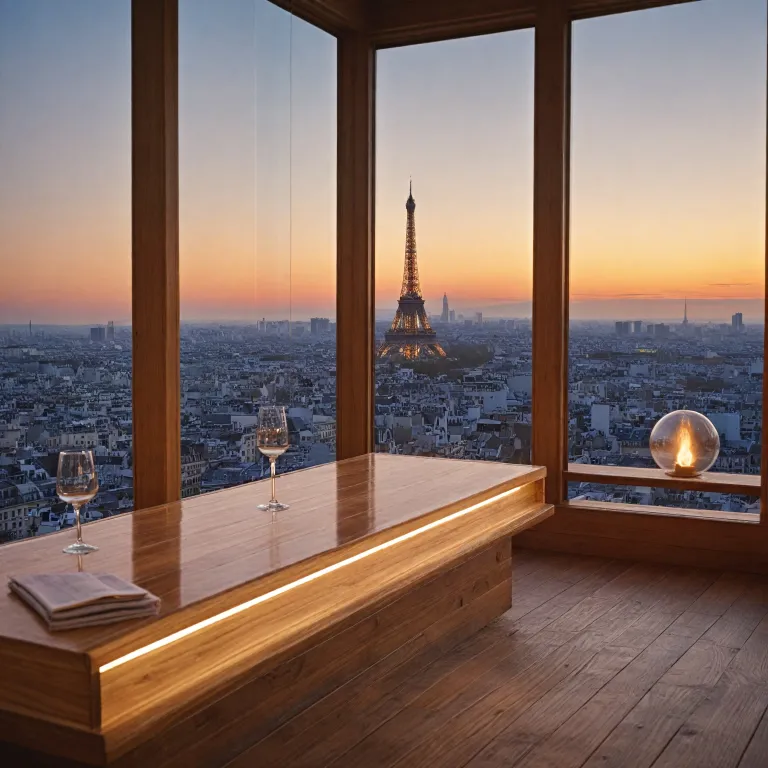
Aligning hotel sauna paris positioning with revenue strategy
For a revenue leader, a hotel sauna in Paris is not just a wellness perk, it is a high margin asset that must align with pricing strategy. When a hotel spa and sauna are integrated into segmentation and channel mix, they can support higher average daily rate while protecting occupancy in softer periods. In a competitive paris market, this requires a clear narrative that connects wellness, beauty, and business travel expectations.
Majestic Hôtel Spa, TOO Hôtel, Hotel Le 12, and Hotel Astra Opéra illustrate how a hotel sauna in Paris can support differentiated positioning across arrondissements and guest profiles. Each hotel spa uses its wellness area, hammam sauna, and treatment room portfolio to justify premium pricing for both rooms and spa offers. Revenue managers should map these wellness services to demand curves by segment, from corporate accounts seeking a quiet wellness area after meetings to leisure guests attracted by a french style hammam sauna ritual.
To monetise a hotel sauna in Paris effectively, pricing teams must treat the spa well ecosystem as a separate but connected profit centre. This means defining clear KPIs for treatment menu uptake, massage and massage facial conversion, and cross sell from room service to spa offers during peak hours day. When the wellness area, hammam, steam room, and sauna hammam are designed to enhance perceived value, they support higher willingness to pay for both room and spa packages.
Commercial directors should also integrate the hotel spa narrative into digital merchandising, including a curated photo gallery that showcases the wellness area, hammam sauna, and beauty treatment cabins. Strong visual storytelling around the body and skin benefits of treatments, the calm away from the hustle bustle, and the contrast with bustle parisian streets helps justify rate premiums. This positioning is particularly powerful for a hotel sauna in Paris located near the latin quarter or key business districts, where wellness becomes a differentiating service rather than a generic amenity.
From occupancy to capacity: revenue management for spa, sauna, and hammam
Traditional revenue management focuses on room occupancy, but a hotel sauna in Paris adds a second capacity layer that must be optimised. The wellness area, hammam, steam room, and sauna hammam all have physical limits per hours day, which creates a yield management challenge similar to meeting rooms or restaurants. Revenue managers should model spa well capacity with the same rigour they apply to rooms, integrating treatment room schedules, therapist availability, and treatment menu duration.
For example, Majestic Hôtel Spa combines a swimming pool, hammam, and saunas with multiple treatment rooms, while TOO Hôtel leverages a cedar wood sauna and outdoor jacuzzi. Each configuration requires a tailored forecasting approach that links expected spa offers demand to hotel occupancy and external walk in traffic. Using advanced demand forecasting techniques, as described in this guide on mastering the art of forecasting hotel demand, teams can anticipate peak wellness periods and adjust pricing, minimum lengths, and package availability.
Capacity based pricing for a hotel sauna in Paris should consider both individual treatments and bundled services such as access to the wellness area plus a massage facial. When the hammam sauna and steam room are near saturation, pricing can reflect scarcity, while off peak hours day can feature targeted spa offers to stimulate demand. This approach also supports better utilisation of room service and other well services, especially when guests can book treatments directly from their room via digital tools.
In urban locations like the latin quarter or near Gare Saint Lazare, external demand for a hotel spa can be significant, particularly from local residents seeking a quiet wellness area away from bustle parisian life. Revenue managers should therefore segment spa well demand into in house guests and external clients, with differentiated price points and booking conditions. By aligning capacity, pricing, and marketing for the sauna, hammam, and treatment rooms, hotels can transform a static wellness facility into a dynamic revenue engine that complements core room revenue.
Designing wellness products that enhance ADR and length of stay
To fully leverage a hotel sauna in Paris, commercial teams must design products that connect wellness with room revenue. A simple access fee to the wellness area or hammam sauna is rarely enough to move the needle on ADR or length of stay. Instead, curated packages that combine room, breakfast, spa offers, and late checkout can create compelling value for both leisure and corporate segments.
For instance, a hotel spa near the latin quarter might propose a “wellness and culture” package that includes a massage, access to the steam room and sauna hammam, and a guided neighbourhood walk. In business districts, a “meet and relax” offer could bundle meeting room use, room service credit, and evening access to the hammam and sauna. These products should be designed to enhance perceived value while maintaining clear contribution margins for both rooms and treatments.
Revenue managers should collaborate closely with spa managers to build a treatment menu that supports upsell logic and dynamic packaging. Shorter beauty treatment options during busy hours day can increase throughput in each treatment room, while longer body rituals and massage facial combinations can be promoted during off peak periods. By tracking attachment rates between room bookings and spa well services, teams can refine which packages truly drive incremental revenue rather than just discounting existing demand.
Digital merchandising plays a crucial role, especially when guests book stay directly on the hotel website using a clear paris address and visual cues. A high quality photo gallery that highlights the wellness area, hammam sauna, and beauty brand partnerships can increase conversion and justify higher rates. When a hotel sauna in Paris is presented as an integral part of the stay experience rather than an optional extra, it becomes a lever for both price positioning and guest satisfaction.
Data, segmentation, and RMS integration for wellness revenue
Many Revenue Management Systems still treat a hotel sauna in Paris as an ancillary line with limited optimisation, which underutilises its potential. To change this, revenue managers should ensure that spa, hammam, and wellness area data flows into the RMS or at least into a parallel analytics environment. This includes booking pace for treatments, utilisation of the steam room and sauna hammam, and conversion from room service or in room promotions.
Segmentation must go beyond generic leisure and corporate labels to capture wellness intent and behaviour. For example, guests who actively book spa offers, massage facial treatments, or specific beauty treatment rituals can be tagged as high wellness value segments. Over time, this allows pricing teams to identify which paris address clusters, source markets, and channels generate the highest attachment to hotel spa and sauna services.
Integrating wellness data also supports more precise forecasting of total revenue per available room, not just room revenue. When the RMS can correlate occupancy with expected demand for the hammam sauna, treatment rooms, and well services, it becomes easier to decide when to push rate versus when to stimulate demand with packages. This holistic view is particularly important for properties like Majestic Hôtel Spa or TOO Hôtel, where the spa well offering is central to the brand promise.
Commercial leaders should also ensure that marketing automation and CRM campaigns reflect wellness preferences, promoting tailored treatment menu highlights or spa offers based on past behaviour. A curated email to guests who previously enjoyed the wellness area or hammam can encourage them to book stay again, especially if accompanied by updated photo gallery content and limited time offers. By embedding a hotel sauna in Paris into the data and RMS ecosystem, hotels move from static amenity thinking to dynamic, segment driven revenue optimisation.
Cross selling, upselling, and commercial performance levers
Once the fundamentals are in place, a hotel sauna in Paris becomes a powerful platform for cross selling and upselling. Front office, reservations, and spa teams must be trained to present the wellness area, hammam sauna, and treatment menu as natural extensions of the stay. Simple scripts that highlight the contrast between the calm spa and the hustle bustle of the city can be highly effective.
For example, when confirming a booking, agents can propose a room upgrade that includes guaranteed access to the sauna hammam and steam room, plus a short beauty treatment. During check in, staff can reference the bustle parisian streets outside and suggest a massage or massage facial to unwind after meetings or sightseeing. These well services should be framed as designed to enhance both physical recovery and mental clarity, especially for frequent travellers.
Digital channels also offer strong upsell opportunities, particularly pre arrival emails and mobile check in flows. Guests can be invited to book spa offers in advance, select preferred hours day for treatments, or add room service wellness menus that complement body and skin care rituals. Linking to in depth content on dynamic pricing and performance excellence, such as this article on elevating hotel revenue manager responsibilities, can inspire teams to treat wellness upsell as a structured revenue stream.
Partnerships with a strong beauty brand can further reinforce the positioning of a hotel spa and sauna in Paris. Co branded campaigns, limited edition treatments, and curated photo gallery assets help justify premium pricing and attract both hotel guests and local clientele. When every touchpoint, from booking to check out, subtly promotes the wellness area and hammam sauna, the spa well ecosystem becomes a consistent contributor to overall commercial performance.
Governance, benchmarking, and long term value creation
To sustain performance, a hotel sauna in Paris must be embedded into governance and performance review routines. Revenue managers, commercial directors, and spa leaders should review joint dashboards that track room revenue, spa offers, treatment room utilisation, and wellness area access. Key indicators might include capture rate of in house guests, average spend per spa well visitor, and attachment of massage or massage facial to basic access.
Benchmarking against peers is essential, especially in a city where more than one hundred fifty hotels now offer some form of spa or sauna. Properties like Majestic Hôtel Spa, TOO Hôtel, Hotel Le 12, and Hotel Astra Opéra provide useful reference points for pricing, capacity, and product mix. However, each hotel spa must adapt its strategy to its specific paris address, target segments, and physical configuration of hammam, steam room, and sauna hammam facilities.
Investment decisions should also be guided by robust analysis of long term value rather than short term occupancy spikes. Renovating a wellness area, adding a new treatment room, or partnering with a premium beauty brand can significantly increase both ADR and guest satisfaction when executed with clear revenue objectives. Conversely, underinvested spa spaces risk becoming cost centres that fail to attract either guests or local clients from the latin quarter or nearby business districts.
Finally, governance should include regular audits of guest feedback related to the hotel sauna in Paris, from cleanliness and ambiance to perceived value of treatments and well services. This qualitative insight, combined with quantitative KPIs, enables continuous refinement of the treatment menu, pricing, and packaging. Over time, a disciplined approach to wellness revenue management transforms the spa and hammam sauna from a nice to have amenity into a strategic pillar of commercial performance.
Key statistics for wellness and sauna revenue in urban hotels
- Approximately 150 hotels in Paris now operate with integrated spa facilities, including saunas, hammams, and treatment rooms.
- The average nightly rate for hotels with sauna access in Paris is around 250 EUR, significantly above the citywide midscale average.
- Urban hotels that actively monetise spa and wellness areas often report higher total revenue per available room compared with similar properties without such facilities.
- Wellness focused guests typically show higher ancillary spend, especially on treatments, massage, and beauty products linked to recognised beauty brands.
Frequently asked questions about hotel sauna paris and revenue management
Which hotels in Paris offer sauna facilities that support premium positioning
Hotels such as Majestic Hôtel Spa, TOO Hôtel, Hotel Le 12, and Hotel Astra Opéra offer sauna facilities in Paris and use them to reinforce an upscale positioning. Each property combines its sauna, hammam, and wellness area with tailored spa offers and room products. This integration allows revenue managers to justify higher rates while delivering tangible wellness value to guests.
Are there additional charges for using the sauna in Paris hotels, and how should they be priced
Policies vary by hotel ; it is therefore essential to verify whether sauna access is included in the room rate, limited to certain room categories, or charged as a separate fee. From a revenue management perspective, charging for access can protect capacity and create upsell opportunities, especially when bundled with treatments. However, in some luxury segments, including sauna and hammam access in the rate can support a stronger value perception and higher ADR.
Do all hotels with saunas in Paris also operate full spa facilities
Not all hotels with a sauna in Paris have a complete spa with pool and multiple treatment rooms. Majestic Hôtel Spa, for example, combines a sauna with a swimming pool and extensive treatment facilities, while other properties may offer only a compact wellness area with a hammam sauna and steam room. Revenue managers must therefore adapt their pricing and packaging strategies to the actual capacity and service mix of each property.
How can revenue managers integrate sauna and spa data into their RMS and reporting
Revenue managers should ensure that spa and sauna transactions are coded with clear revenue centres and segment tags in the PMS and POS. This allows exports or API feeds into the RMS or business intelligence tools, where wellness revenue can be analysed alongside room revenue. Over time, this integration supports more accurate forecasting, better segmentation, and more effective pricing for both rooms and wellness services.
What role does location play in monetising a hotel sauna in Paris
Location strongly influences both in house and external demand for a hotel sauna in Paris. Properties in the latin quarter or near major business hubs can attract local residents and office workers seeking a wellness break from bustle parisian life. By aligning opening hours, treatment menus, and pricing with neighbourhood demand patterns, hotels can maximise utilisation of their wellness area and hammam sauna throughout the day.