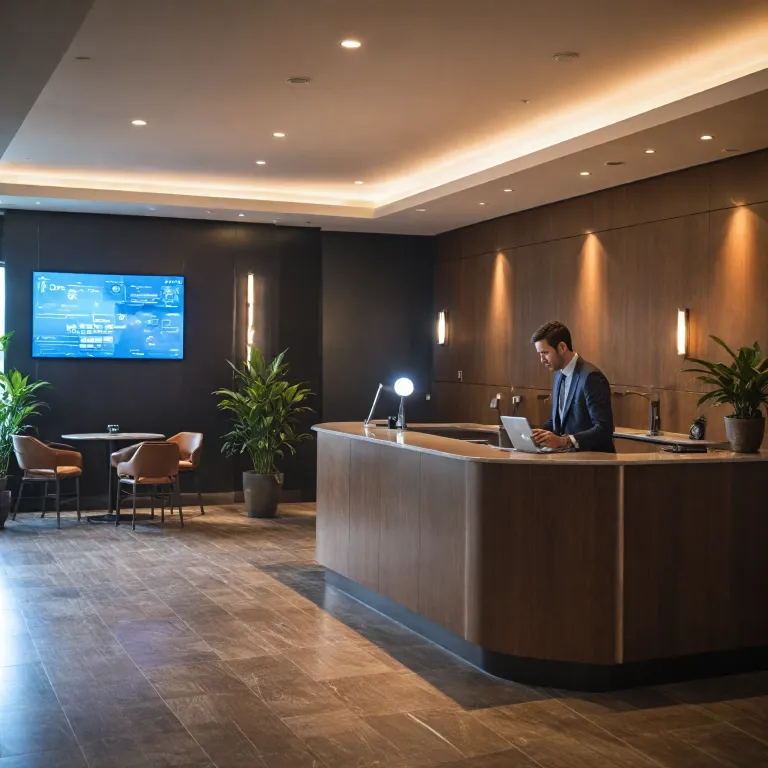
Leveraging agentic systems for optimized hotel workflows
In the evolving landscape of hospitality, the integration of agentic systems is redefining how hotels approach operational efficiency and revenue management. These systems, built upon interconnected agents and advanced models, orchestrate complex workflows by automating routine tasks and enabling data-driven decisions. For revenue managers and commercial directors, the adoption of agentic components within their operational layer ensures that each tool and system communicates seamlessly, reducing manual errors and enhancing business logic across departments. The agentic stack, comprising tools agent, model context, and orchestration protocols, empowers hotels to respond dynamically to fluctuating demand and optimize pricing strategies in real time. By embedding agentic logic into their cloud infrastructure, hotels can harness machine learning models and llms to analyze vast datasets, forecast occupancy, and tailor offerings to guest preferences. This approach not only streamlines internal processes but also strengthens access controls and security, safeguarding sensitive data while enabling third party integrations and compliance with industry standards.
Modern agentic systems are designed to be modular, allowing hotels to select components that align with their unique operational needs. For example, integrating a model context protocol mcp enables seamless communication between mcp servers and cloud platforms, ensuring that data flows efficiently between systems and tools. This orchestration of agents and tools agent facilitates the deployment of tailored solutions, such as automated personnel scheduling and digital guest services, which directly impact performance commerciale. As hotels continue to face challenges like rising labor costs and talent shortages, the ability to deploy agentic solutions that automate and optimize workflows becomes a critical differentiator. The result is a more agile, responsive, and profitable operation that meets the expectations of both guests and stakeholders.
Integrating advanced tools and models for revenue optimization
The deployment of advanced tools and models llms is central to achieving an opimierter wokflow hotels environment. By leveraging machine learning and data analysis, hotels can anticipate market trends, adjust pricing in real time, and maximize revenue across all channels. The integration of solutions like HospitalityFlow Dashboard and HotelTools.AI personnel planning tools exemplifies how agentic systems can transform traditional revenue management practices. These tools utilize agentic logic to analyze historical data, predict future demand, and recommend optimal pricing strategies, ensuring that hotels remain competitive in a dynamic marketplace. The orchestration of these components work within a unified system layer allows for seamless collaboration between revenue managers, pricing teams, and general management, fostering a culture of continuous improvement and innovation.
Security and access controls are paramount in this context, as hotels must protect sensitive data while enabling authorized users to access critical information. Implementing robust access systems and protocol mcp ensures that only designated agents and users can interact with key components, reducing the risk of data breaches and unauthorized access. The use of cloud infrastructure and mcp servers further enhances scalability and flexibility, allowing hotels to deploy new tools and models as their needs evolve. By embracing these advanced technologies, hotels can achieve a truly opimierter wokflow hotels, where every decision is informed by real-time data and supported by intelligent systems. Explore advanced hotel revenue management solutions to see how these innovations can be tailored to your property.
Enhancing guest experience through digital orchestration and automation
Personalized digital solutions are at the heart of modern hospitality, and their orchestration within an opimierter wokflow hotels framework is essential for delivering exceptional guest experiences. Agentic systems enable hotels to automate routine interactions, such as digital check-in and tailored communications, freeing staff to focus on high-value tasks. By integrating components like workmatrix booking engines and Hotel Response™ sales systems, hotels can offer seamless, user-centric experiences that drive direct bookings and foster guest loyalty. The agentic stack ensures that each tool and system operates in harmony, leveraging data from multiple sources to anticipate guest needs and deliver timely, relevant offers.
Machine learning models and llms play a crucial role in analyzing guest data, identifying patterns, and predicting preferences. This data-driven approach allows hotels to personalize every touchpoint, from pre-arrival communications to post-stay follow-ups. Security remains a top priority, with access controls and protocol mcp safeguarding guest information and ensuring compliance with privacy regulations. By orchestrating these digital solutions within a unified system layer, hotels can create a frictionless journey for guests while optimizing internal workflows. For a deeper dive into the orchestration of digital guest solutions, learn more about integrated hospitality automation and its impact on commercial performance.
Securing data and systems in the agentic hotel environment
As hotels embrace agentic systems and cloud platforms, the importance of robust security measures cannot be overstated. Protecting sensitive data, ensuring the integrity of business logic, and maintaining compliance with industry standards are critical components of an opimierter wokflow hotels. Access controls and access systems are designed to restrict user permissions, allowing only authorized agents to interact with specific tools and data sets. This layered approach to security is reinforced by protocol mcp and context protocol, which govern the flow of information between components and prevent unauthorized access or prompt injection attacks.
The integration of third party solutions and mcp servers introduces additional complexity, requiring hotels to implement stringent security protocols and continuous monitoring. Machine learning models and llms are leveraged to detect anomalies, identify potential threats, and respond proactively to security incidents. By embedding security into every layer of the agentic stack, hotels can safeguard their operations while enabling innovation and agility.
Real-world examples of agentic workflow optimization in hotels
Several leading software providers are demonstrating the tangible benefits of agentic systems in the hospitality sector. HospitalityFlow offers a KI-powered dashboard that enables hotel teams to optimize operations and elevate the guest experience. HotelTools.AI transforms occupancy forecasts into optimized personnel schedules, reducing labor costs and ensuring compliance with collective agreements. Ottimate automates the entire invoice-to-payment lifecycle, streamlining financial processes and enhancing operational efficiency. These solutions exemplify how agentic components, models, and orchestration tools can be integrated into a cohesive system layer to drive commercial performance.
For example, the adoption of workmatrix booking engines has enabled hotels to increase direct bookings by providing a seamless, user-friendly interface that integrates with existing systems. The orchestration of these tools agent and models llms ensures that data flows efficiently across departments, supporting informed decision-making and agile responses to market changes. As hotels continue to navigate challenges such as labor shortages and rising costs, the deployment of agentic solutions offers a clear path to achieving an opimierter wokflow hotels. The impact is evident in improved operational efficiency, enhanced guest satisfaction, and increased revenue generation.
Addressing challenges and future trends in agentic hotel workflows
The hospitality industry faces ongoing challenges, including rising labor costs, talent shortages, and the need to deliver personalized guest experiences. Agentic systems and solutions are uniquely positioned to address these issues by automating routine tasks, optimizing resource allocation, and enabling data-driven decision-making. The integration of machine learning, llms, and advanced data analysis tools empowers hotels to anticipate market trends, adjust strategies in real time, and maintain a competitive edge. As agentic stacks become more sophisticated, the focus will shift towards greater interoperability, enhanced security, and seamless integration with third party platforms.
Looking ahead, the evolution of protocol mcp, context protocol, and cloud infrastructure will enable hotels to deploy increasingly complex agentic models and components. The continued development of access controls, business logic, and orchestration tools will further enhance the resilience and agility of hotel operations. As one expert notes, "Hotels can through the use of KI-powered dashboards and automated personnel scheduling plans optimize their operational processes, leading to more efficient processes and cost savings." By embracing these innovations, hotels can achieve a truly opimierter wokflow hotels, positioning themselves for sustained success in a rapidly changing industry.
Key statistics on agentic workflow optimization in hotels
- 87% of hotels report experiencing staff shortages.
- Labor costs in hotels have increased by 22% since 2019.
- Optimized personnel scheduling plans can deliver up to 8% savings in labor costs.
Frequently asked questions about agentic hotel workflows
How can hotels improve their operational workflows through automation?
Hotels can through the use of KI-powered dashboards and automated personnel scheduling plans optimize their operational processes, leading to more efficient processes and cost savings.
What are the benefits of customized booking engines for hotels?
Customized booking engines enable seamless integration with existing systems, enhance the guest experience, and increase the number of direct bookings.
How does automation impact labor costs in hotels?
By automating processes such as personnel scheduling and invoice processing, hotels can significantly reduce labor costs while ensuring compliance with collective agreements.
What role do digital solutions play in enhancing the guest experience?
Digital solutions such as progressive web apps and automated communication tools personalize the guest journey, reduce wait times, and improve overall satisfaction.