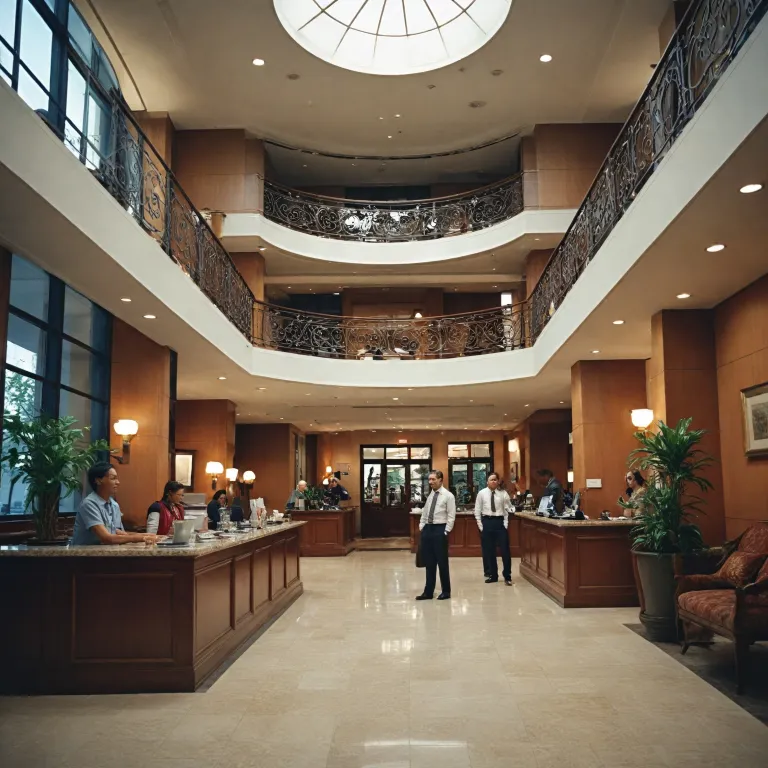
The essence of performance commerciale in hospitality: aligning revenue and commercial objectives
Performance commerciale in hospitality is the comprehensive approach to optimizing a hotel’s commercial and revenue outcomes. It encompasses the coordinated efforts of the commercial team, revenue manager, sales manager, and commercial manager to drive business growth and guest satisfaction. In the hospitality industry, performance commercial is not just about increasing sales revenue; it is about creating a sustainable organizational structure that supports long-term profitability and high guest satisfaction.Effective commercial management requires the integration of business intelligence, data analysis, and marketing strategies. The commercial hotel environment is highly competitive, making it essential for the commercial teams to leverage data and intelligence for decision-making. By focusing on both revenue management and commercial performance, hotel business leaders can ensure that their strategies are aligned with market demand and guest expectations.
A successful performance commercial strategy involves continuous monitoring of key performance indicators (KPIs) such as occupancy rate, average daily rate (ADR), and revenue per available room (RevPAR). These metrics provide valuable insights into the effectiveness of the commercial team’s efforts and highlight areas for optimization. The general manager and manager commercial must foster a culture of collaboration, ensuring that all departments work towards common revenue and guest experience goals.
Incorporating advanced technology, such as revenue management software and business intelligence tools, allows commercial managers to make informed decisions in real time. This data-driven approach supports the identification of trends and opportunities, enabling the hospitality business to adapt quickly to market changes. Ultimately, performance commerciale in hospitality is about achieving a balance between maximizing revenue and delivering exceptional guest experiences.
Key drivers of commercial performance: data, intelligence, and organizational structure
The foundation of high performance commercial in hospitality lies in the effective use of data and business intelligence. Commercial teams must harness operational and market data to inform pricing, sales, and marketing strategies. The integration of data-driven planning, budgeting, and forecasting is essential for optimizing revenue management and achieving commercial objectives.A robust organizational structure supports the alignment of the commercial team, revenue manager, and sales manager. Clear roles and responsibilities ensure that each manager commercial can focus on their area of expertise while contributing to the overall business strategy. Collaboration between departments is vital for identifying opportunities for revenue optimization and guest satisfaction.
Advanced analytics and machine learning algorithms are transforming the way commercial hotel teams approach revenue management. These technologies enable real-time demand forecasting and dynamic pricing, allowing hotels to respond quickly to market fluctuations. The adoption of business intelligence tools empowers managers to monitor performance metrics and adjust strategies as needed.
Staff training and development are also critical components of performance commercial. Well-trained teams deliver higher levels of service, leading to increased guest satisfaction and repeat business. As one expert states, “Well-trained staff provide better service, leading to higher guest satisfaction, positive reviews, and repeat business.” This focus on continuous improvement ensures that the hospitality industry remains competitive and responsive to changing guest needs.
Revenue management as a pillar of commercial success in the hotel business
Revenue management is central to performance commerciale in hospitality, providing the framework for maximizing sales revenue and profitability. The revenue manager plays a crucial role in analyzing demand, adjusting pricing, and managing inventory to optimize financial outcomes. In the hotel business, effective revenue management strategies are essential for achieving high occupancy rates and average daily rates.The commercial manager and sales manager must work closely with the revenue manager to ensure that pricing and sales strategies are aligned. This collaboration enables the commercial team to respond to market trends and guest preferences, driving both short-term gains and long-term growth. The use of revenue management software and business intelligence tools supports data-driven decision-making and enhances the effectiveness of commercial strategies.
Key performance indicators such as RevPAR, GOPPAR, and customer satisfaction scores provide a comprehensive view of commercial performance. Regular monitoring of these metrics allows the commercial hotel team to identify areas for improvement and implement targeted optimization strategies. As another expert highlights, “Revenue management involves adjusting pricing and inventory based on demand forecasts, leading to optimized revenue and profitability.
Integrating sales, marketing, and guest experience for holistic performance commercial
A high-performing commercial team understands that sales, marketing, and guest experience are interconnected elements of performance commerciale in hospitality. The sales manager and marketing team must collaborate to develop targeted campaigns that attract high guests and drive direct bookings. Personalization, powered by data and business intelligence, is key to delivering memorable guest experiences that foster loyalty and repeat business.Effective commercial strategies leverage CRM systems and online booking platforms to streamline the guest journey from discovery to post-stay engagement. The commercial manager must ensure that marketing efforts are aligned with revenue management objectives, optimizing both occupancy and profitability. Guest feedback, collected through surveys and online reviews, provides valuable data for refining commercial and operational strategies.
The hospitality industry is increasingly adopting contactless technologies and sustainability initiatives to meet evolving guest expectations. These innovations not only enhance guest satisfaction but also contribute to the overall performance commercial of the hotel business. As technology continues to evolve, commercial teams must stay agile and embrace new tools that support data-driven decision-making and guest-centric service.
Long-term strategies for sustainable commercial performance in hospitality
Sustaining high performance commercial in the hospitality industry requires a long-term perspective and a commitment to continuous improvement. The general manager, commercial manager, and revenue manager must work together to develop strategies that balance short-term revenue goals with long-term business growth. This includes investing in staff training, adopting new technologies, and regularly reviewing organizational structure.Business intelligence and data analytics play a pivotal role in identifying trends and forecasting future demand. By leveraging these tools, commercial teams can make proactive decisions that support revenue optimization and guest satisfaction. The integration of artificial intelligence and machine learning further enhances the ability to predict market shifts and adjust strategies accordingly.
A strong privacy policy and respect for guest data are essential for building trust and maintaining a positive reputation. Commercial hotel teams must ensure that all data collection and usage practices comply with industry standards and regulations. As the hospitality industry evolves, maintaining a focus on guest privacy and data security will be critical for long-term success.
The rights reserved approach to intellectual property and brand assets also supports the sustainability of commercial performance. Protecting proprietary data, marketing materials, and operational processes ensures that the hotel business maintains a competitive edge in the market.
Measuring and optimizing performance commercial: KPIs, tools, and best practices
The measurement and optimization of performance commercial in hospitality rely on a comprehensive set of KPIs and advanced tools. Occupancy rate, ADR, RevPAR, and GOPPAR are among the most important metrics for assessing commercial and revenue outcomes. Regular analysis of these indicators enables commercial teams to identify strengths, address weaknesses, and capitalize on opportunities.Revenue management software, CRM systems, and financial reporting tools are essential for tracking performance and supporting data-driven decision-making. The commercial manager and revenue manager must collaborate to ensure that all relevant data is collected, analyzed, and acted upon in a timely manner. This approach supports the continuous refinement of commercial strategies and the achievement of high performance commercial goals.
Best practices for optimizing performance commercial include staying updated with industry trends, investing in staff development, and fostering a customer-centric culture. As one expert notes, “Technology streamlines operations, provides data for informed decision-making, and enhances the guest experience through personalized services.” Regular monitoring and adjustment of strategies ensure that the hospitality business remains agile and responsive to market changes.
The integration of business intelligence and real-time analytics empowers commercial teams to make informed decisions that drive revenue and guest satisfaction. By prioritizing continuous improvement and embracing innovation, hotels can achieve sustained commercial success in a dynamic industry.
Quantitative insights: key statistics on performance commerciale in hospitality
- Average Occupancy Rate in US Hotels: 65.5%
- Average Daily Rate (ADR) in US Hotels: 150.75 USD
- Revenue per Available Room (RevPAR) in US Hotels: 98.75 USD
Frequently asked questions about performance commerciale in hospitality
What are the key performance indicators (KPIs) in the hospitality industry?
Common KPIs include occupancy rate, average daily rate (ADR), revenue per available room (RevPAR), gross operating profit per available room (GOPPAR), and customer satisfaction scores.
How does revenue management impact hotel performance?
Revenue management involves adjusting pricing and inventory based on demand forecasts, leading to optimized revenue and profitability.
Why is staff training important in improving hotel performance?
Well-trained staff provide better service, leading to higher guest satisfaction, positive reviews, and repeat business.
Trusted sources for further reading on performance commerciale in hospitality
- https://www.statista.com
- https://www.hospitalitynet.org
- https://www.hotelnewsnow.com