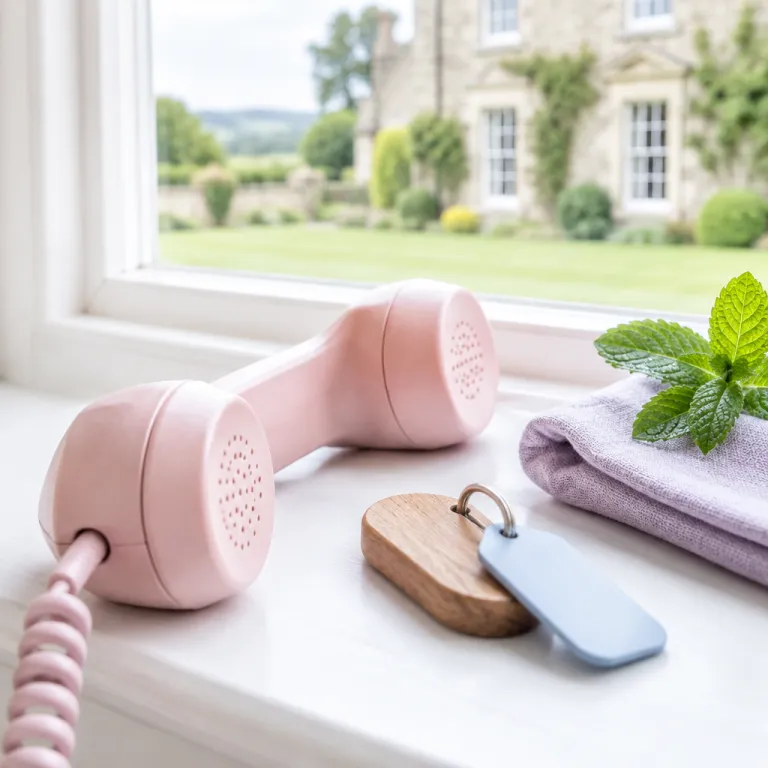
Turning a contact point like the rainhillhall com phone number into a revenue engine
For a listed country house hotel, a simple contact detail such as the main Rainhill Hall switchboard is no longer just an operational necessity. It is a high intent commercial touchpoint where revenue managers, commercial directors, and pricing leaders can orchestrate profitable demand for every room, suite, and bridal suite. When a guest calls a number linked to a specific location such as Rainhill in Merseyside, the conversation already carries strong purchase signals that must be captured, qualified, and priced intelligently.
Rainhill Hall, positioned as a hall hotel style country house near Liverpool and the Liverpool Manchester corridor, illustrates how a heritage venue can transform inbound calls into structured data for Revenue Management. Each enquiry about weddings, private dining, or outdoor dining in the gardens becomes a micro dataset, feeding price sensitivity curves, stay patterns by day of week, and ancillary spend forecasts for dining rooms and bars. When the hotel’s central reservations line is treated as a tracked sales channel, the commercial team can benchmark its conversion rate against the website, OTAs, and corporate RFPs, then adjust capacity allocation in real time.
To achieve this, the hotel must integrate telephony logs from the Rainhill Hall contact number into its CRM and RMS, tagging every call by segment, length of stay, and requested space such as chapel, church style ceremony room, or outdoor venue lawns. A country house with hall grade architecture and stained glass chapel windows attracts emotionally driven weddings, which often convert better by phone than online. Revenue leaders who quantify this uplift can justify higher marketing investment in campaigns that highlight the house, the church like chapel, and the British country setting of Merseyside, rather than relying solely on generic hotel keywords.
From heritage story to pricing power : monetising Rainhill Hall’s unique assets
Heritage assets such as a grade listed country house, a historic chapel, and stained glass windows are not just branding elements; they are pricing levers that must be codified in the RMS. Rainhill Hall, historically associated with the Bretherton family and often linked in local accounts to Bartholomew Bretherton, can command rate premiums when the commercial team translates this story into differentiated products and fenced offers. When callers reach the reservations team asking about a church style wedding or private dining, they are often willing to pay more for exclusivity, history, and a sense of place.
Revenue managers should build a product hierarchy that reflects the full spectrum of spaces at this hall hotel style venue in the United Kingdom, from standard rooms to the bridal suite, from indoor outdoor ceremony options to the main dining room. Each space in the house and on the outdoor grounds carries a different capacity, cost structure, and perceived value, which must be reflected in minimum rates and dynamic supplements. For example, an indoor outdoor wedding that uses both the chapel and the gardens in Rainhill near the Liverpool Manchester corridor should be priced with a premium over a simple day hire of one hall only.
To support this, the team should map every asset at the location Rainhill into the RMS: chapel, church style ceremony hall, outdoor lawns, dining rooms, private dining salons, and outdoor dining terraces. Then they can design packages that combine rooms, British dishes in a modern British menu, and exclusive use of the venue for one or several days. For inspiration on how heritage properties structure such layered products, revenue leaders can study high performing benchmarks in the UK hospitality industry and adapt similar logic to a listed country house context.
Optimising channel mix : when the phone outperforms the website for complex events
For a venue like Rainhill Hall in Merseyside, the main hotel phone number often captures the most complex and lucrative enquiries, especially for weddings and large private dining events. Guests planning a church style ceremony in the chapel, followed by outdoor dining on the lawns and an evening in the main dining room, rarely complete the entire booking journey online. They prefer to speak with a human team member who understands capacity limits, room allocations, and bespoke British dishes that can be adapted to dietary needs.
This behaviour has direct implications for channel strategy and commercial performance, because the phone channel may generate a smaller volume of leads but a higher average revenue per booking. Revenue managers should therefore track separate KPIs for the Rainhill Hall reservations line, including conversion rate, average booking value, and ancillary spend on rooms, dining, and bar services. When the data shows that callers who mention Liverpool, Merseyside, or Liverpool Manchester corridors are planning multi day stays with several rooms and a bridal suite, the hotel can prioritise these leads over low value OTA bookings.
To maximise this advantage, the team must equip call handlers with structured scripts, live pricing from the RMS, and clear upsell pathways for house experiences such as chapel tours, stained glass photography sessions, or modern British tasting menus. Techniques such as urgency messaging, already used in digital cart recovery for hotels, can be adapted to phone conversations by transparently explaining limited capacity on peak Saturdays or for specific hall grade spaces. When the phone is treated as a premium consultative channel, it becomes a strategic asset rather than a cost centre.
Designing revenue centric experiences across rooms, dining, and events
A country house venue such as Rainhill Hall in the United Kingdom must orchestrate every guest touchpoint, from rooms to dining and weddings, as part of a unified revenue strategy. The central contact number is the entry gate to this ecosystem, where the team can guide callers through options that combine accommodation, British dining, and event spaces. Instead of treating rooms, dining room reservations, and chapel ceremonies as separate silos, the hall hotel should design integrated experiences that maximise total revenue per guest.
For example, a couple calling from Liverpool or Merseyside United regions to enquire about weddings might initially ask only about the chapel and outdoor ceremony capacity. A skilled commercial team member can then propose a full weekend package that includes a bridal suite, several guest rooms in the house, private dining on the first evening, and outdoor dining with modern British dishes on the second day. By bundling indoor outdoor spaces, the hotel can smooth demand across different days and times, improving utilisation of both heritage halls and contemporary dining areas.
Revenue managers should work closely with F&B leaders to define contribution margins for British dishes served in the main dining room, in private dining salons, and in outdoor dining setups. This allows the RMS to recommend optimal price points for packages that include both rooms and dining, based on forecasted demand by segment and by location Rainhill versus Liverpool Manchester catchment areas. When every package sold via the Rainhill Hall phone channel is coded correctly in the PMS and CRM, the hotel gains a precise view of which combinations of house assets generate the strongest profitability.
Data, segmentation, and the strategic role of the Rainhill Hall team
Transforming the main Rainhill Hall phone number into a high performance commercial channel requires disciplined data capture and segmentation by the on site team. Every call to the country house hotel should be logged with key attributes such as origin market, purpose of stay, interest in weddings or private dining, and preferred dates. Over time, this creates a granular dataset that reveals how different segments value the house, the chapel, and the outdoor venue spaces.
For instance, callers from Liverpool and Manchester may prioritise ease of access and day event capacity, while guests travelling from other parts of the United Kingdom may focus on multi day weddings with full house exclusivity. The team can then tailor scripts and offers accordingly, emphasising quick transfers from Liverpool Manchester transport hubs for local guests, and highlighting the grade listed architecture, stained glass glass windows, and country house gardens for destination weddings. When the commercial team understands these nuances, they can steer conversations towards higher value options without resorting to aggressive selling.
Internal training is essential, because every staff member who answers the Rainhill Hall contact line becomes a revenue influencer, not just a receptionist. They must know how to position the hall grade features of the building, the history linked to Bartholomew Bretherton, and the appeal of British dishes served in modern British style across the dining room and outdoor dining terraces. For practical implementation, managers can create a short call guide that prompts agents to confirm dates, clarify event type, check room and chapel capacity, and propose at least one upsell such as a tasting menu or extended house hire.
Balancing heritage preservation with modern revenue management discipline
Operating a grade listed country house such as Rainhill Hall in Merseyside involves a delicate balance between preserving heritage and applying rigorous Revenue Management techniques. The hall grade status, stained glass chapel, and historic house façade limit certain structural changes, yet they also create scarcity that can justify premium pricing when communicated effectively through channels like the main hotel phone number. Revenue leaders must quantify the financial impact of this scarcity, rather than relying on intuition or purely emotional arguments.
One practical approach is to model capacity constraints for each key space, including the chapel, main hall, dining rooms, outdoor lawns, and indoor outdoor ceremony areas, then assign shadow prices to these constraints in the RMS. When demand for weddings and private dining exceeds available dates, the system can recommend higher minimum spends or mandatory multi day packages that include rooms and British dining. This ensures that the venue does not underprice peak Saturdays or bank holidays, especially for guests coming from Liverpool, Merseyside United regions, or further across the United Kingdom.
At the same time, the commercial team should protect the long term brand equity of the house by avoiding over commercialisation that might alienate local communities or church partners. Transparent communication about capacity limits, preservation needs, and the value of the heritage experience can be woven into phone conversations and digital content. When callers reach the Rainhill Hall reservations team, they should feel that they are speaking with custodians of a historic venue who also understand modern British hospitality, revenue optimisation, and the expectations of contemporary wedding and event planners.
Key figures and benchmarks for phone led revenue strategies in heritage hotels
- Industry case studies of event led hotels often report phone conversion rates between 25% and 40% for high intent event enquiries, significantly higher than typical website conversion rates below 5% for similar traffic segments; individual results vary by market, segment mix, and sales process. For example, a 2022 call tracking analysis by UK vendor Infinity reported a 32% conversion rate on wedding calls for a sample of regional venues.
- Event focused properties in the United Kingdom frequently generate a substantial share of total revenue from weddings, conferences, and private dining, which underlines the strategic importance of optimising capacity and pricing for spaces such as chapels, halls, and outdoor venues. UKHospitality benchmarking in 2023 indicated that function and event income can exceed 40% of revenue in some country house hotels.
- Analyses by UK hospitality bodies indicate that F&B revenue can represent around one third of total income in many full service hotels, making integrated pricing of rooms and British dining offers essential for maximising profitability in country house venues. The 2023 UKHospitality and CGA “Future Shock” report, for instance, highlighted F&B shares between 30% and 40% in full service properties.
- Heritage and grade listed properties often face maintenance and compliance costs that are materially higher than those of non listed hotels, which reinforces the need for disciplined Revenue Management to sustain long term financial viability. Historic England’s guidance on heritage assets notes that specialist conservation work and regulatory approvals can significantly increase capital and operating expenditure.
- Market data from VisitBritain shows that domestic leisure travellers account for a majority of overnight stays in regional areas such as Merseyside, suggesting strong potential for short break packages that combine rooms, dining, and heritage experiences in locations like Rainhill. VisitBritain’s 2022 “Domestic Overnight Tourism” report recorded that UK residents generated over 80% of overnight trips in many English regions.
FAQ : revenue management for heritage venues and phone channels
How should a heritage hotel measure the performance of its main phone number ?
A heritage hotel should treat its primary phone line, such as the central Rainhill Hall contact number, as a distinct sales channel with dedicated KPIs. Key metrics include call volume, conversion rate, average booking value, and ancillary spend on rooms, dining, and events. Tracking these indicators separately from online channels allows revenue managers to allocate resources and training where they generate the highest commercial impact.
Why do weddings and private dining enquiries often convert better by phone ?
Weddings and private dining events are complex purchases that involve multiple decision makers, emotional considerations, and detailed logistics. Guests planning to use a chapel, hall, outdoor venue, and dining room in a country house often need reassurance about capacity, layout, and bespoke menu options. A phone conversation with a knowledgeable team member can address these concerns in real time, which naturally leads to higher conversion rates than self service online forms.
How can revenue managers integrate phone data into their RMS and CRM systems ?
Revenue managers should work with IT and operations teams to ensure that every call to the main number is logged with structured fields such as segment, purpose of stay, dates, and spaces requested. This data can then be pushed into the CRM for relationship management and into the RMS for demand forecasting and price optimisation. Over time, patterns in phone enquiries help refine pricing strategies for rooms, weddings, and dining across different markets such as Liverpool, Merseyside, and the wider United Kingdom.
What role does heritage status play in pricing strategy for a hall hotel ?
Heritage status, such as being a grade listed country house, creates both constraints and opportunities for pricing. Constraints include higher maintenance costs and limits on structural changes, while opportunities arise from the scarcity and uniqueness of the experience, especially for weddings and events in spaces with stained glass and historic architecture. Revenue managers should quantify these factors and reflect them in minimum spends, package structures, and premium pricing for peak dates.
How can teams balance commercial objectives with guest experience in a historic venue ?
Teams can balance commercial goals and guest satisfaction by designing offers that respect the character of the house while meeting modern expectations for comfort and service. This means aligning pricing with the value of heritage spaces, investing in training so staff can tell the property’s story authentically, and avoiding overbooking that would compromise the atmosphere of the venue. When guests feel that the team are both custodians of history and skilled hospitality professionals, they are more likely to accept premium prices and recommend the property.