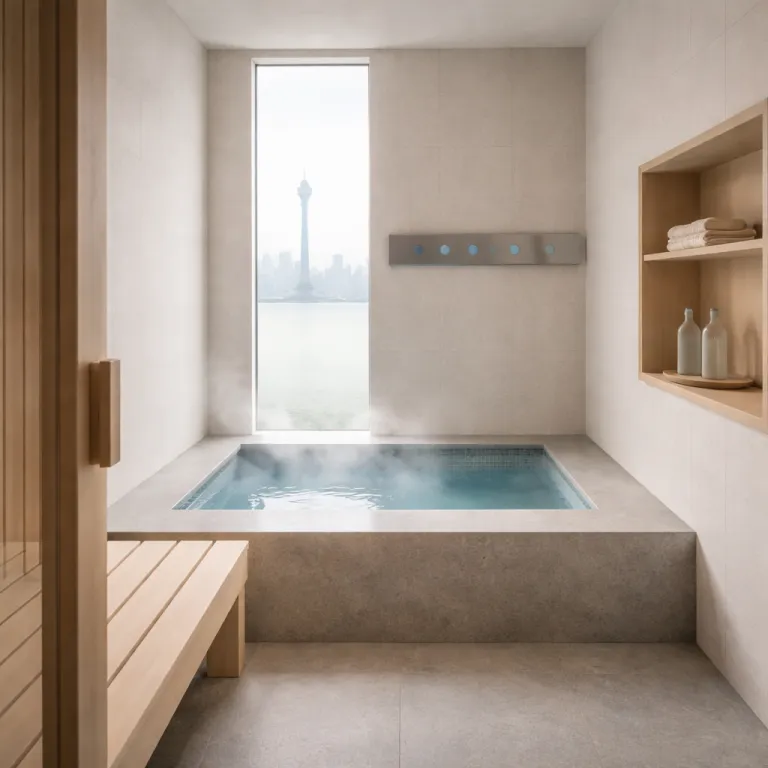
Macau sauna ecosystems as a revenue laboratory for hospitality leaders
Macau operates as a dense, high velocity market where every sauna and every hotel floor becomes a live laboratory for revenue management. A single macau sauna can combine wellness, entertainment, food drinks, and lodging style lounges within one compact asset. For revenue managers, this hybrid model in macau offers a concrete example of how to orchestrate pricing, capacity, and segmentation across multiple profit centers.
Familia Noble Sauna, The One Sauna, and M Club Sauna illustrate how a sauna macau property can behave like a micro resort with casino adjacency. These saunas macau typically manage peak hours between late afternoon and early morning, with visit durations averaging four hours per guest. Such long hours day patterns create a fertile ground for testing dynamic pricing, minimum spend rules, and bundled full service offers.
In this context, the macau best performing operators treat each sauna, each lounge, and each set of private rooms as a separate revenue stream with its own demand curve. A macau sauna that integrates massage, shows, and food can track time based yield per square metre and per attendant. For example, a manager can compare the revenue per hour generated by sauna girls in premium rooms versus standard massage cabins.
For hotel groups and RMS editors, the macau sauna environment offers an example macau of how granular data can support commercial decisions. The same logic that optimises open hours in saunas can refine late check out policies or spa access windows in hotels. When a sauna macau operator aligns pricing, staffing, and marketing around precise hours and segments, the uplift in revenue and guest satisfaction is measurable.
Segmenting demand by hours, gender mix, and service depth
Revenue management in any macau sauna starts with understanding who comes, when they arrive, and what they buy. Demand is not homogeneous ; it varies sharply by hours, by gender mix of guests, and by expectations regarding full service or wellness only experiences. A sophisticated segmentation grid can transform a generic sauna into one of the macau best performing experiential venues.
In practice, managers should map demand by hours day blocks, distinguishing early evening relaxation traffic from late night entertainment seekers. For example, women and mixed gender couples may prefer quieter time slots, while solo men focus on peak entertainment hours. Each segment values different combinations of sauna, massage, food drinks, and access to sauna girls or performers.
Some saunas macau already differentiate pricing for standard sauna rooms, VIP rooms, and themed suites, but the segmentation can go deeper. A macau sauna can create tailored menus that bundle massage with curated food and beverage, adjusting prices by open hours and occupancy. When women guests receive targeted offers for wellness focused rooms, the property can attract a higher value, lower risk clientele.
For hotel commercial directors, this segmentation logic offers a powerful example macau of how to refine spa and wellness strategies. Instead of one size fits all day passes, hotels can design time based access aligned with specific personas and their willingness to pay. The result is a portfolio of products that better matches demand curves and stabilises revenue across volatile hours.
Dynamic pricing and inventory control across saunas and rooms
Macau’s dense cluster of saunas creates a competitive arena where static pricing quickly erodes margins. A macau sauna that keeps the same menu prices and room rates across all hours leaves money on the table. Revenue managers should instead treat each combination of rooms, services, and time bands as a distinct inventory class.
For example, a sauna macau operator can apply higher prices for premium rooms during peak hours, while offering value bundles in shoulder periods. The same logic can govern massage durations, food drinks packages, and access to entertainment shows. By monitoring booking pace and walk in traffic, managers can adjust prices in near real time within pre defined guardrails.
Saunas macau that integrate RMS style tools can forecast demand by day of week, by event calendar, and by weather patterns. When a major event increases macau arrivals, the system can recommend price surges for top tier rooms and full service experiences. Conversely, during soft periods, targeted promotions to loyal guests and women segments can protect occupancy without diluting brand positioning.
This approach mirrors advanced hotel revenue strategies, where each room type and rate plan is optimised across channels. A macau sauna that masters dynamic pricing becomes an excellent sauna benchmark for spa departments and urban resorts. For deeper benchmarking between wellness venues and hotels, commercial leaders can study comparative frameworks such as optimizing revenue management and commercial performance in hospitality.
Commercial performance levers beyond price : service design and staffing
Price is only one dimension of performance ; service design and staffing models often determine whether a macau sauna truly monetises demand. The best operators orchestrate sauna girls, massage therapists, food service teams, and reception staff as a single commercial engine. Every role influences guest perception of value, length of stay, and ancillary spend.
For example, if check in is slow during peak hours, guests may shorten their time in rooms and reduce orders from the menu. Conversely, a smooth welcome with clear explanations of open hours, available saunas, and food drinks options encourages longer visits. Staff trained to suggest relevant upgrades can gently steer guests toward full service packages instead of basic sauna only access.
Women guests in particular often value clarity about facilities, privacy in rooms, and quality of massage services. When a sauna macau invests in multilingual staff and transparent communication, it builds trust and repeat visits. Over time, this trust translates into higher average spend per guest and more resilient demand across days of week.
Commercial directors should therefore treat staffing plans as revenue levers, not just cost lines. By aligning headcount with forecasted hours day patterns, operators can maintain service quality without overstaffing. In macau, where labour and real estate are expensive, this balance is critical to sustaining an excellent sauna reputation and strong EBITDA.
Data, RMS integration, and ethical governance in macau saunas
To move from intuition to science, every macau sauna needs robust data capture and RMS style analytics. Transaction logs, room occupancy, time stamps, and menu sales can all feed a central data mart. With proper anonymisation, this information becomes a powerful asset for forecasting and scenario planning.
Saunas macau that partner with hotels and casinos can integrate their systems via secure API connections. This allows cross analysis between gaming spend, room nights, and sauna visits, revealing which segments respond best to bundled offers. For example, a guest who spends heavily on food drinks in the casino may also value premium massage and private rooms.
However, ethical governance is essential, especially when services involve sauna girls and sensitive entertainment components. Operators must ensure that data on women staff and guests is handled with strict confidentiality and compliance. Transparent policies about contact information, consent, and communication frequency help maintain trust and regulatory alignment.
For hotel groups and RMS editors, macau offers an example macau of how complex multi service venues can still operate within clear ethical frameworks. By embedding governance rules into RMS configuration, managers can prevent misuse of data while still optimising revenue. This approach reinforces brand integrity and supports long term commercial performance in a competitive market.
From macau sauna playbook to hotel wide commercial strategy
The operational intensity of a macau sauna provides a condensed playbook that hotels can adapt across their portfolios. Each sauna combines elements of spa, bar, entertainment lounge, and sometimes quasi club environments. This convergence mirrors how modern hotels increasingly blend lodging with lifestyle and wellness concepts.
For example, the way saunas macau manage hours day peaks can inspire hotels to refine spa and pool access windows. Instead of generic all day passes, properties can introduce time based tiers aligned with demand and willingness to pay. Similarly, bundling massage with curated food drinks mirrors how hotels can package rooms with restaurant or bar credits.
Commercial directors and pricing leaders should map every hotel outlet as if it were a standalone macau sauna. Each outlet has its own demand curve, guest mix of men and women, and sensitivity to time based pricing. By applying sauna style micro revenue management, hotels can unlock hidden value in under optimised spaces.
Ultimately, the macau best operators show that excellence lies in orchestrating many small levers rather than one big bet. When pricing, staffing, product design, and data governance align, both guest satisfaction and profitability rise. This is as true for an excellent sauna on the Cotai Strip as for an urban flagship hotel in another gateway city.
Key quantitative benchmarks from macau sauna markets
- Number of saunas in Macau : 10 establishments across the territory.
- Average sauna visit duration in Macau : 4 hours per guest.
- Share of tourists visiting saunas during their stay in Macau : 30 percent.
- Typical operating window for many Macau saunas : from 15:00 to 5:00.
- Peak demand band for most Macau saunas : between 19:00 and 2:00.
Frequently asked questions about macau saunas and hospitality revenue
What services do Macau saunas offer and how do they impact revenue ?
Macau saunas typically combine baths, massage, and entertainment shows, which creates multiple revenue streams per guest. They provide baths, massages, and entertainment shows. For revenue managers, this mix allows higher average spend through carefully designed bundles and time based pricing.
Are Macau saunas open 24 hours and what does this mean for staffing ?
Some Macau saunas operate 24 hours, while others follow extended but finite schedules. Are Macau saunas open 24 hours? Some operate 24 hours; others have specific hours. This variability requires flexible staffing models and granular forecasting to maintain service quality without inflating labour costs.
Do guests need a reservation for Macau saunas during peak periods ?
Reservations are strongly recommended for Macau saunas during peak evening and night hours. Do I need a reservation for Macau saunas? Reservations are recommended, especially during peak hours. For operators, reservation data improves demand forecasting and supports more precise dynamic pricing strategies.
How long do guests usually stay in a Macau sauna and why does it matter ?
Customer surveys indicate that the average visit lasts around four hours. This extended dwell time increases opportunities to sell massage upgrades, food drinks, and premium rooms. Revenue managers can therefore focus on maximising spend per hour rather than only counting entries.
What share of Macau tourists visit saunas and how should hotels react ?
Tourism statistics show that roughly 30 percent of visitors include a sauna in their itinerary. This sizeable segment justifies closer partnerships between hotels, casinos, and leading saunas macau. Joint offers and cross promotions can capture more value from guests already inclined toward wellness and entertainment experiences.