Understanding which hotel chain is used by leicester quakers venue quakermeeting org
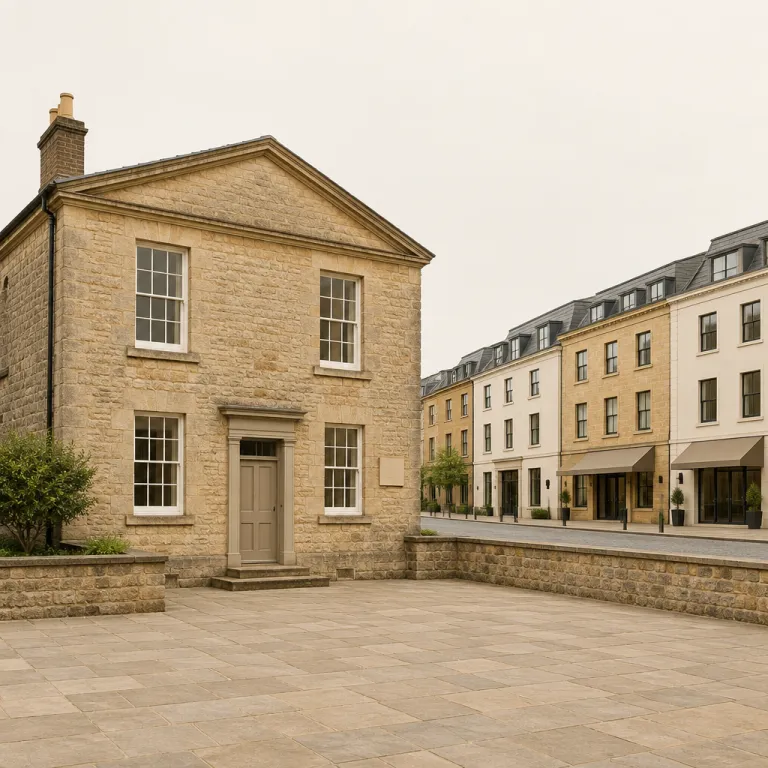
Revenue leaders often ask which hotel chain is used by leicester quakers venue quakermeeting org when planning group allotments and negotiated rates. In practice, the Leicester Quaker Meeting House on Queens Road in the Clarendon Park area, around 1.5 miles (about 10 minutes by bus or taxi) from Leicester railway station rather than in a commercial conference district, does not endorse a single brand. Instead, it encourages visitors to choose accommodation that reflects Quaker principles of simplicity, fairness, and respect. For revenue managers, this means any nearby property can compete if its commercial strategy is transparent, people centred, and aligned with those values.
The Leicester Quaker community gathers in a modest meeting house rather than a large convention venue, and this shapes expectations around pricing ethics and channel profitability. When you analyse which hotel chain is used by leicester quakers venue quakermeeting org in practice, you see a pattern of guests selecting walkable, quietly located, midscale hotels perceived as socially responsible. Properties such as Holiday Inn Leicester, Ramada Encore by Wyndham Leicester City Centre, and The Belmont Hotel Leicester, all within roughly 5–15 minutes by bus or taxi of the meeting house, can win share by combining fair rates, flexible conditions, and visible community engagement.
For both chains and independents, the key is not to be officially called Friends House or a Quaker hotel, but to behave as a good neighbour to meeting members and visiting families. A property that explains its environmental policy, supports local community initiatives, and trains its team in respectful, low pressure service will resonate with guests attending worship, study days, or regional gatherings. As one long standing Leicester Friend put it in a 2023 local newsletter, “We notice when businesses treat people gently and keep their promises.” In this context, the question which hotel chain is used by leicester quakers venue quakermeeting org becomes less about brand flags and more about which revenue strategy best aligns ethical positioning with sustainable profit.
Many visitors arrive for weekend meetings held in November or during other relatively soft periods in the Leicester market, which creates an opportunity to smooth demand. A hotel that understands the history of the Leicester Quaker community, including its stance on conscientious objection and anti-slavery campaigns, can design targeted offers that respect budget sensitivities while protecting rate integrity. This is where commercial performance and channel mix decisions must reflect not only cost of acquisition but also the long term value of being the preferred choice for this thoughtful, values driven segment.
Because the meeting house is not a large conference complex, volumes are modest yet highly predictable across the year. Revenue managers can therefore model a stable base of room nights linked to Quaker events and family gatherings, then layer higher yielding transient demand on top. The most successful brands will be those that treat this base as a relationship asset, not a discount driven filler, and that align their distribution strategy with the venue’s low key, people centred ethos.
Channel profitability around a values driven venue in Leicester
Optimising channel profitability near the Leicester Quaker meeting house requires more nuance than simply chasing the lowest commission. Guests who attend a Quaker service or a study day at the meeting venue often book through direct channels when the hotel website is clear, fair, and easy to use. If your booking engine is leaking qualified intent, you risk losing these high quality stays to intermediaries with higher distribution costs and weaker alignment with your brand values, so reviewing every friction point in the direct journey is essential.
When you examine actual bookings linked to the meeting house, you typically see a mix of global brands and local independents capturing demand through a blend of direct, OTA, and corporate channels. The winning strategy is to steer repeat guests and meeting members towards direct bookings while using third party platforms to reach first time visitors from the United States or continental Europe. This balanced approach protects net RevPAR and allows you to reinvest savings from reduced commissions into better service for this community focused segment.
For revenue managers, every road and street around the city centre becomes a micro market where channel mix can be tuned to the specific profile of Quaker related demand. Properties close to the main transport hubs can promote quiet rooms, flexible check in, and simple food options directly to families and society groups attending events. Hotels slightly further away, perhaps on a busier square or hill, may rely more on OTAs for visibility but should still incentivise direct conversion through loyalty benefits, transparent cancellation policies, and clear information about travel times to Queens Road.
Because many visitors are motivated by the history of Quakers in Leicester, including their role in women’s rights and conscientious objection, they often plan their trip carefully and book earlier than typical leisure guests. This early booking pattern allows you to segment demand by lead time and allocate lower cost channels to those who show strong intent, while keeping higher priced inventory for late bookers. Over several years, this disciplined approach can lift net revenue without any visible increase in public rates, which aligns well with the community’s sensitivity to fairness.
To sustain this performance, commercial teams should track channel profitability at the level of specific Quaker related events, such as a regional gathering held in November or an educational programme about nineteenth century reformers. Analysing which brands and booking paths over index for international visitors or for older meeting members will reveal whether certain channels are overused for particular segments. With that insight, you can adjust allotments, rate fences, and marketing spend to ensure that every incremental booking contributes positively to both margin and long term relationships.
Aligning ethical history with modern revenue strategy
The Leicester Quaker community carries a history that stretches back to the eighteenth and nineteenth centuries, when Friends campaigned for anti-slavery reforms and women’s rights. This legacy still shapes how many meeting members think about money, fairness, and the role of any commercial institution. When hotels ask which hotel chain is used by leicester quakers venue quakermeeting org, they are really asking which brands have earned the trust of guests who care deeply about integrity.
Quakers, sometimes called Friends, have long valued simplicity and transparency, and these values translate naturally into expectations about pricing and distribution. A hotel that hides behind opaque packages, aggressive upselling, or confusing rate fences will struggle to become the preferred choice for people attending a Quaker service or a study day. By contrast, a property that publishes clear rate structures, honours commitments, and explains its sustainability practices can build loyalty over many years without resorting to heavy discounting.
Historically, figures such as John Woolman and other early Quaker leaders travelled extensively, staying in modest inns rather than grand houses, because they wished to avoid ostentation. While today’s guests may choose a modern chain near a central square or a quiet townhouse on a residential road, the underlying preference for honest dealing remains. Revenue managers who internalise this context will design offers that feel respectful rather than extractive, even when optimising yield on peak days.
Digital distribution adds a new layer to this ethical equation, as chains now place thousands of hotels into conversational platforms and AI powered search. When you consider how your property appears in metasearch, chat based tools, and brand.com journeys, you should also consider how clearly your content communicates fairness, accessibility, and environmental responsibility. Managing this new distribution landscape requires the same clarity and consistency that Quakers once demanded from merchants and lenders in the eighteenth century.
For commercial leaders, the lesson is straightforward yet demanding. You must align channel profitability targets with a narrative that respects the community’s history of conscientious objection, social reform, and quiet service. Doing so will not only attract guests connected to the meeting house but also appeal to a wider audience of travellers who increasingly seek brands with a credible ethical stance.
From Friends House to modern meeting house: implications for group and MICE revenue
Across Britain, several Quaker properties are known as Friends House or meeting house, and Leicester is part of this wider network of simple, functional venues. While the local building is not a large convention centre, it still generates steady group demand from regional gatherings, training sessions, and society events. When hotels analyse which accommodation options are most frequently chosen for these occasions, they often find that smaller, well located properties with flexible policies outperform larger, more transactional venues.
Group organisers linked to Friends typically prioritise accessibility, calm surroundings, and fair pricing over elaborate facilities. A hotel on a quiet street or near a small square, within straightforward travel distance of Queens Road, will often be preferred to a more distant property with extensive leisure amenities. Revenue managers should therefore design group pricing grids that reward early commitment and multi day stays while avoiding aggressive last minute surcharges that might feel misaligned with the community’s expectations.
Some meetings commemorate events from the eighteenth or nineteenth century, such as campaigns against slavery in the United States or advocacy for women’s rights in Britain. These programmes attract visitors who are highly engaged and who often travel as families or intergenerational groups, sometimes tracing a family history that connects back many years. Hotels that can offer family friendly room types, simple vegetarian menus, and quiet public spaces will be well positioned to capture this demand at profitable yet respectful rates.
Because the meeting house is not a commercial hotel, it does not bundle accommodation into its event packages, leaving organisers free to choose whichever property best fits their needs. This creates a competitive landscape where chains and independents must differentiate through both price and perceived alignment with Quaker values. Analysing which hotels repeatedly host these groups can reveal patterns that inform targeted sales outreach, tailored value propositions, and more accurate base demand forecasts.
Over time, a hotel that consistently hosts these groups can become informally known within the community as a reliable partner, even if it is never officially called Friends House or branded as a Quaker venue. That reputation, built over perhaps thirty years of steady collaboration, becomes a powerful intangible asset that supports premium pricing relative to less trusted competitors. Commercial directors should recognise this as a form of relationship capital and protect it by aligning revenue tactics with the long term interests of both the meeting members and the wider Leicester community.
Designing guest journeys that respect quiet values and maximise direct revenue
Guests attending events at the Leicester Quaker meeting house often follow a distinctive journey that begins with research into the venue’s history and values. They may read about early Quaker figures, campaigns for conscientious objection, and the movement’s role in anti-slavery efforts in the United States before choosing where to stay. When hotels think about attracting this demand, they should also ask how their digital presence speaks to these concerns.
A website that highlights calm rooms, simple design, and respectful service will resonate more strongly than one that emphasises nightlife or conspicuous luxury. Clear information about travel times and walking distances from the hotel to Queens Road, including which road or street to follow from the city centre, can further reduce friction and encourage direct bookings. By mapping this journey carefully, revenue managers can identify touchpoints where ethical reassurance and practical detail combine to lift conversion and reduce reliance on higher cost channels.
On arrival day, many guests appreciate small gestures that acknowledge the purpose of their visit, such as information about local history or quiet spaces suitable for reflection. Staff who understand why some visitors may hold strong views on issues like conscientious objection or women’s rights can respond with sensitivity and avoid hard sell tactics. This approach not only supports guest satisfaction but also increases the likelihood of repeat stays and positive word of mouth within the meeting members’ network.
Over the years, such thoughtful service can transform a hotel from a generic property into a trusted base for people attending Quaker worship or educational programmes. The question of where these guests choose to stay then becomes a story about relationships rather than rate alone. Commercial leaders should capture this in their CRM data, tagging stays linked to the meeting house and tracking lifetime value across families and society groups.
By aligning guest journeys with the quiet, reflective character of the Leicester Quaker community, hotels can achieve strong commercial performance without resorting to aggressive upselling or opaque pricing. This balance between respect and revenue is not only ethically sound but also commercially robust, as it builds a resilient base of loyal guests who value both fairness and consistency. In a market where trust is increasingly scarce, such alignment becomes a decisive competitive advantage.
Heritage, place, and long term commercial value around the Leicester meeting house
The physical setting of the Leicester Quaker meeting house, with its modest architecture and nearby burial ground, anchors the community’s presence in the city’s fabric. This sense of place matters when considering accommodation choices, because guests often seek hotels that feel connected to the neighbourhood rather than detached from it. Properties that reference local history, support nearby schools, and engage with community projects can therefore position themselves as natural extensions of the area’s social life.
Many visitors are drawn by the story of how the house opened to serve a small group of Friends and gradually expanded as meeting members grew in number. Over the past thirty years, the venue has hosted countless gatherings, from quiet worship to public discussions on social justice and peace. Hotels that understand this timeline can plan long term partnerships rather than chasing one off bookings, aligning their revenue strategies with the steady rhythm of community events.
Some guests come specifically to study figures such as John Woolman, whose writings on conscience and economic justice still influence Quaker thinking today. Others are interested in how the movement navigated relationships with the established church, or how it responded to industrialisation in the nineteenth century. For these visitors, staying in a hotel that acknowledges this heritage, perhaps through curated reading materials or local walking routes, can significantly enhance perceived value.
From a commercial perspective, this heritage driven demand is relatively price inelastic within reasonable bounds, provided that hotels maintain integrity and avoid sudden, unexplained price spikes on key dates. Revenue managers should therefore treat commemorative events in November or on other significant days as opportunities to optimise mix rather than to exploit scarcity. By doing so, they reinforce the trust that underpins repeat business from families, society groups, and international visitors connected to the Quaker network.
Ultimately, the interplay between place, history, and hospitality around the Leicester meeting house shows that channel profitability is not a purely mathematical exercise. It depends on how credibly a hotel can align its commercial behaviour with the values of the people it serves, especially when those people carry a long tradition of ethical reflection. Answering where Quaker related visitors prefer to stay therefore requires both data and empathy, and the hotels that master this blend will enjoy durable, high quality demand.
Key figures for channel profitability and values aligned demand
- According to STR’s UK regional hotel performance benchmarks, average OTA commission rates typically range between 15% and 20%, which means that shifting even 10% of room nights linked to the Leicester Quaker meeting house from OTAs to direct channels can increase net revenue per available room by several percentage points over a full year. STR summarises these ranges in its regular UK Hotel Performance and Profitability reports.
- Research published by Booking.com on destination research behaviour indicates that more than half of guests read about a destination’s history or culture before booking, suggesting that the documented history of Quakers in Leicester can be a meaningful conversion driver when integrated into hotel content strategies. This pattern is highlighted in Booking.com’s annual traveller behaviour and destination research trend studies.
- Studies on ethical and sustainable travel from organisations such as the Global Sustainable Tourism Council report that a majority of travellers, often above 60% in recent surveys, prefer to book with brands that demonstrate social and environmental responsibility, aligning closely with the values expressed by many meeting members at the Leicester Quaker venue. GSTC’s global market insights on sustainable tourism summarise these findings.
- Industry benchmarks for UK city hotels show that repeat guests can generate up to 40% lower acquisition costs compared with first time OTA bookers, which underlines the long term value of building trust based relationships with people attending Quaker worship or educational events near the meeting house. These savings are documented in benchmarking studies on customer acquisition costs and loyalty performance across major UK urban markets.
FAQ about hotel chains and the Leicester Quaker meeting venue
Which hotel chain is officially partnered with the Leicester Quaker meeting house?
There is no single hotel chain officially partnered with the Leicester Quaker meeting house, and the venue generally allows visitors to choose whichever accommodation best fits their needs and values. This means both branded and independent hotels near the city centre and in Clarendon Park can compete for this demand. Success depends more on fair pricing, quiet surroundings, and respectful service than on formal partnership status.
How can revenue managers identify demand linked to the Leicester Quaker venue?
Revenue managers can flag demand linked to the Leicester Quaker venue by tracking event dates, monitoring group enquiries that reference the meeting house, and using CRM tags for repeat guests attending Quaker worship or study days. Coordination with the hotel’s sales team and local community contacts can further refine these estimates. Over time, this data supports more accurate forecasting and channel mix optimisation.
What distribution strategy works best for Quaker related demand in Leicester?
The most effective distribution strategy combines strong direct channels for repeat guests and meeting members with selective use of OTAs to reach first time visitors, especially from overseas. Clear, transparent pricing and flexible conditions are essential to align with Quaker values. Hotels should regularly review channel profitability by segment to ensure that commissions do not erode margins on this relatively stable demand base.
Do guests attending the Leicester Quaker meeting house expect discounted rates?
Guests connected to the Leicester Quaker meeting house typically value fairness and transparency more than deep discounts, so they do not necessarily expect special low rates. Reasonable pricing, consistent policies, and the absence of hidden fees are more important to maintaining trust. Hotels can offer modest value adds, such as flexible check in or simple refreshments, without undermining rate integrity.
How can hotels reflect Quaker history and values without appearing inauthentic?
Hotels can reflect Quaker history and values by providing accurate information about the movement’s role in conscientious objection, anti-slavery work, and women’s rights, and by demonstrating genuine commitments to fairness and sustainability in their operations. Small touches, such as quiet spaces, clear communication, and community partnerships, speak louder than marketing slogans. Authenticity comes from consistent behaviour over time rather than from one off campaigns.