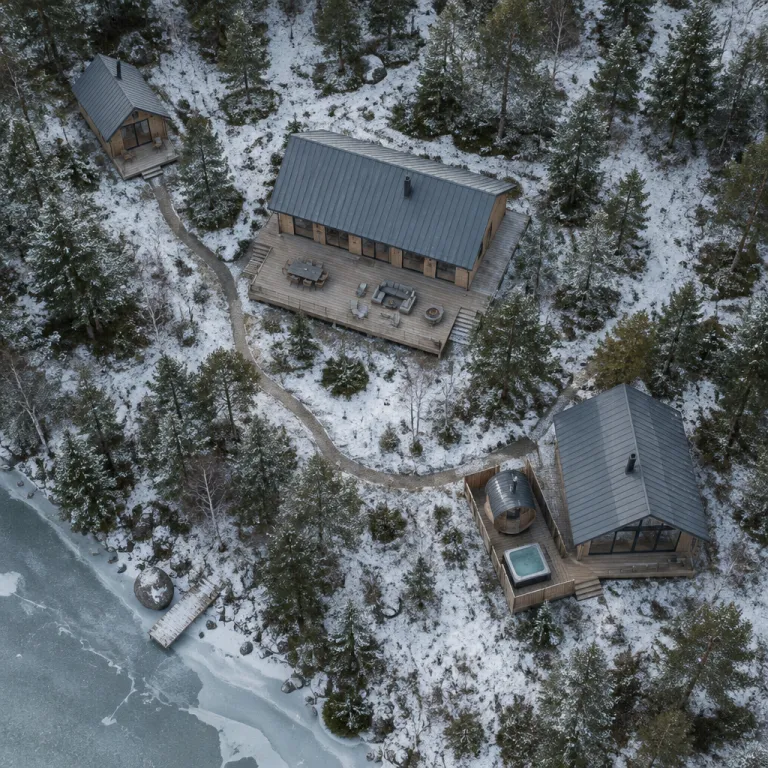
Segmenting demand for big timber vacation rentals in a low density market
Revenue leaders looking at big timber vacation rentals face a paradox of scale. The market around Big Timber in Montana counts only a few dozen active listings, yet demand patterns by segment are sharply contrasted and highly seasonal. Treating every cabin or timber lodge as a generic rural escape leaves money on the table and weakens pricing power.
In this context, a granular segmentation by purpose of stay, party composition, and sensitivity to resort amenities becomes essential. Hosts and operators must differentiate between fly fishing enthusiasts, multi generation families, remote workers, and road trippers heading to or from Yellowstone National Park. Each segment values the pool, the hot tub, the game room, or the proximity to outdoor trails very differently, and each reacts in its own way to a flexible cancellation policy.
For revenue managers, the first task is to define clear segment codes in the PMS and RMS for these big timber vacation rentals. A “families with children” segment will typically book a larger cabin with at least one bedroom on the main level and a full bath close to the living room. A “couples retreat” segment will focus more on a level king bedroom with a private bathroom, a deep tub or hot tub, and quiet outdoor decks with reclaimed logs aesthetics.
Because the Big Timber area is remote, the community of guests tends to plan longer stays and to be more deliberate in their choice of room configuration. This makes it easier to link each booking to a specific segment based on length of stay, number of guests, and requested resort amenities such as a pool seasonal opening or pet friendly policies. Over time, these data points allow you to model which segments will definitely pay a premium for a specific timber cabin layout or for enhanced cleaning standards.
Segmentation must also reflect the different booking channels used for big timber vacation rentals. Direct bookings via the owner website may skew toward repeat guests who already know that linens and towels are included, while online travel agencies bring more first timers who will check reviews carefully. For each channel, you should track the average rent per night, the preferred room type, and the share of bookings that include a hot tub or game room as a must have feature.
Finally, segmentation in such a niche market must be dynamic rather than static. When occupancy drops in winter, the same cabin that targets high value families in summer can be repositioned toward remote workers seeking a quiet stay with strong Wi Fi and a comfortable main level workspace. This is where a robust RMS and clear segment definitions help you adjust prices, minimum length of stay, and value adds such as extended check out or pool access, without diluting the brand of your big timber vacation rentals.
Aligning segmentation with length of stay and rate fences
Once segments are defined, the next strategic step is to align them with length of stay patterns and rate fences. Big timber vacation rentals typically see longer bookings in peak summer, when families and groups use the cabins as a base for hiking and fishing. Shorter stays appear in shoulder seasons, often from couples or solo travelers passing through on a road trip.
For revenue managers, this means that each segment should have a target average length of stay and a corresponding pricing corridor. Families booking a large timber cabin with three bedroom spaces, a game room, and a pool seasonal access might be encouraged toward five or six nights with progressive discounts. Couples choosing a one bedroom cabin with a level king bed, a full bath, and a private hot tub might accept higher nightly rates for two or three nights, especially when cleanliness enhanced and enhanced cleaning practices are clearly communicated.
Aligning segmentation with stay patterns also requires careful attention to cleaning costs and operational constraints. A short stay in a big cabin with four bedroom units and multiple bathroom spaces can generate disproportionate housekeeping effort, especially when linens and towels must be fully changed. By setting minimum stay rules and rate fences per segment, you protect profitability while still offering a perfect stay experience for each guest profile.
Average length of stay is a powerful KPI for this type of rural market. Detailed analysis, such as the approach described in this guide on optimizing average length of stay for revenue management, helps you understand which segments are worth stimulating with targeted offers. For example, remote workers might respond well to a weekly rate that includes one mid stay light cleaning and guaranteed access to a quiet main level room for work. In contrast, adventure travelers may value late check out and flexible cancellation policy more than a lower nightly rent.
Rate fences should be designed around tangible value drivers that each segment can understand. Access to a private pool, a larger hot tub, or premium resort amenities such as concierge services can justify higher rates for certain big timber vacation rentals. In a market where reviews and cleanliness enhanced claims strongly influence booking decisions, including explicit references to enhanced cleaning, detailed cleaning practices, and the fact that linens and towels are freshly laundered can also support a higher price point.
Length of stay strategies must be coordinated with distribution tactics and inventory controls. When you know that a specific cabin with reclaimed logs and a spacious game room attracts long stay families in July and August, you can close short stays for that unit on high demand dates. At the same time, you can open shorter stays for smaller cabins nearby, ensuring that every level of demand finds a suitable option within your portfolio of big timber vacation rentals.
Finally, do not underestimate the impact of cancellation policy design on stay patterns and risk. A more flexible policy can lengthen the booking window and attract risk averse segments, while a stricter policy with non refundable rates can secure revenue from guests who will definitely travel. Testing different policies by segment, and tracking their impact on reviews and repeat behavior, is essential to refine your revenue management strategy in this rural Montana community.
Designing micro segments around product attributes and guest intent
In a low volume destination like Big Timber, classic segmentation by channel or broad purpose of stay is not enough. Revenue managers must go deeper and design micro segments based on specific product attributes and guest intent. This is especially true for big timber vacation rentals, where each cabin can be highly differentiated.
Start by mapping the physical attributes of every unit in your portfolio. Note the number of bedroom spaces, the configuration of the main level, the presence of a full bath versus a shower only bathroom, and whether there is a private hot tub, a shared pool, or access to resort amenities such as a fitness room. Include details such as reclaimed logs architecture, size of the outdoor deck, and whether the property is pet friendly, because these features often drive both search filters and willingness to pay.
Next, link these attributes to guest intent signals captured at booking. A family of five booking a three bedroom timber cabin with a game room, a pool seasonal access, and a fenced yard for a dog clearly has different expectations from a couple booking a one bedroom cabin with a level king bed and a deep tub for a romantic stay. By combining these data points, you can create micro segments such as “multi generation families seeking outdoor activities”, “couples on a romantic retreat”, or “remote workers needing quiet and reliable connectivity”.
For each micro segment, define a tailored value proposition and pricing ladder. Multi generation families might value a large main level living room, multiple full bath options, and proximity to outdoor trails more than a luxury finish. Couples may prioritize privacy, a large hot tub, and impeccable cleaning practices with cleanliness enhanced protocols. Remote workers could be more sensitive to a quiet room, a comfortable desk, and flexible check in and check out times, while still appreciating that linens and towels are of high quality.
Micro segmentation also allows you to design more precise packages and upsell paths. A family oriented timber cabin can include board games in the game room, detailed information about nearby fishing spots, and clear instructions on how to use the pool safely. A romantic retreat cabin can highlight the reclaimed logs design, the private outdoor deck, and the deep tub in the main bathroom, while offering optional extras such as local wine or pre stocked breakfast items.
For a structured approach to this type of design, the methodology outlined in this article on designing profitable market segmentation for a two bedroom deluxe product can be adapted to rural cabins. The principle is the same : align product attributes, guest intent, and price points to maximize both revenue and guest satisfaction. In the context of big timber vacation rentals, this means that each cabin, from the smallest room to the largest multi bedroom lodge, is positioned for the segment that values it most.
Finally, micro segmentation must be operationally viable. Front line teams and property managers need simple labels they can understand, such as “family outdoor”, “romantic escape”, or “workation”. These labels should be reflected in the PMS, the RMS, and the marketing content, so that pricing, availability, and communication all reinforce the same positioning. Over time, you will see that certain micro segments generate more positive reviews, higher ancillary spend, and a greater likelihood that guests will definitely return to the same cabin or recommend it within their community.
Using reviews and cleanliness signals as segmentation levers
In the world of big timber vacation rentals, online reviews are not just a reputation metric. They are a powerful segmentation lever that reveals what different guest types value most, and how they perceive the trade off between price and experience. For revenue managers, systematically mining review content is as important as tracking occupancy or average daily rent.
Families often comment on practical aspects such as the number of bedroom spaces, the layout of the main level, and whether the full bath is easily accessible for children or older relatives. They also pay close attention to whether linens and towels are sufficient for the length of stay, and whether the pool or hot tub is clean and safe. Couples, by contrast, tend to focus their reviews on the comfort of the level king bed, the privacy of the room, and the ambiance created by reclaimed logs, fireplaces, and outdoor decks.
Cleanliness has become a decisive factor across all segments. Phrases such as enhanced cleaning, cleanliness enhanced, and detailed cleaning practices appear frequently in guest feedback, especially when hosts explain their protocols clearly in the listing. When guests feel that the cabin is spotless, that the bathroom and tub are immaculate, and that linens and towels are freshly laundered, they are more willing to pay a premium and to extend their stay.
Revenue managers should segment reviews by theme and by guest type, then feed these insights back into pricing and product decisions. If families consistently praise a specific timber cabin for its spacious game room and safe outdoor area, that unit can be positioned at a higher price point for school holiday periods. If couples repeatedly mention that a certain cabin offers the perfect romantic stay thanks to its private hot tub and quiet bedroom, that property can be targeted toward high value weekend getaways.
Review analysis also helps identify friction points that may be segment specific. For example, remote workers might complain about unreliable Wi Fi or lack of a proper desk in the main level room, while road trippers could mention that the cancellation policy felt too rigid for their uncertain plans. Addressing these issues not only improves satisfaction but also allows you to refine your segmentation and adjust rate fences or minimum stays accordingly.
Finally, reviews can be used to validate the effectiveness of your segmentation strategy over time. If a cabin repositioned toward families starts to receive more positive reviews mentioning “great time”, “perfect for families”, and “will definitely return”, you know that the new targeting is working. In a small community like Big Timber, where word of mouth and repeat business are crucial, this feedback loop between reviews, segmentation, and pricing is one of the most powerful tools in the revenue manager’s arsenal.
Integrating upselling, ancillary revenue, and resort amenities by segment
Segmentation for big timber vacation rentals should not stop at the base rent. Ancillary revenue from upselling, resort amenities, and tailored services can significantly lift total revenue per stay, especially in a market where nightly rates are constrained by regional benchmarks. The key is to align every upsell offer with the specific needs and willingness to pay of each segment.
Families booking a large timber cabin with multiple bedroom spaces and a game room may be receptive to pre arrival offers such as grocery delivery, equipment rental for outdoor activities, or guaranteed early check in. Couples reserving a one bedroom cabin with a level king bed, a private hot tub, and a deep tub in the bathroom might value romantic packages including local wine, late check out, or curated recommendations for nearby dining. Remote workers could be interested in upgraded Wi Fi, ergonomic chairs in the main level room, or access to a quiet shared workspace within resort amenities.
To structure these opportunities, revenue managers can draw on best practices in pre arrival upselling. The framework presented in this analysis of pre arrival upselling as a key ancillary revenue lever can be adapted to cabins and lodges. The principle is to use segmentation data, booking lead time, and stated preferences to propose relevant add ons at the right moment, without overwhelming the guest. For big timber vacation rentals, this might mean offering firewood bundles, guided fishing tours, or private chef services to segments that have shown interest in outdoor experiences or premium comfort.
Ancillary offers must also respect operational constraints and cleaning practices. For example, offering access to a shared pool or hot tub requires strict adherence to cleanliness enhanced protocols and clear communication about cleaning schedules. When guests see that enhanced cleaning is applied not only to the cabin interior but also to resort amenities, they are more likely to accept a surcharge for exclusive time slots or private use of certain facilities.
Segmentation can also guide pet friendly policies and related fees. Some cabins may be designated as pet friendly units, with outdoor areas and flooring that are easier to clean, while others remain pet free for guests with allergies. By aligning these policies with specific segments, you can charge appropriate pet fees, manage cleaning costs, and still maintain high review scores for cleanliness and comfort.
Finally, upselling should be evaluated through the lens of total stay value rather than isolated line items. A family that pays a slightly lower nightly rent but purchases several ancillary services may generate more profit than a couple paying a high base rate with no extras. Tracking ancillary revenue by segment, cabin type, and length of stay allows revenue managers to refine both pricing and product design, ensuring that big timber vacation rentals deliver a consistently great time for guests while maximizing profitability for owners and operators.
Risk management, cancellation policies, and segment resilience
Risk management is often overlooked in discussions about segmentation, yet it plays a central role in the profitability of big timber vacation rentals. Different segments have different risk profiles in terms of cancellation behavior, payment reliability, and sensitivity to external shocks such as weather or travel disruptions. A one size fits all cancellation policy is rarely optimal in this context.
Families planning a long stay in a large timber cabin with multiple bedroom spaces, a game room, and access to a pool seasonal facility tend to book earlier and commit more strongly. They may accept a stricter cancellation policy in exchange for a slightly lower rate or added value such as complimentary linens and towels. Couples booking a short romantic stay in a one bedroom cabin with a level king bed, a private hot tub, and a deep tub in the bathroom might prefer more flexibility, especially if they are traveling during shoulder seasons when weather can be unpredictable.
Remote workers and digital nomads represent another distinct risk profile. They often book longer stays but may need flexibility to adjust dates based on work commitments. For this segment, a tiered cancellation policy that becomes stricter closer to arrival can balance their need for flexibility with the owner’s need for revenue security. Clear communication about these policies in the listing, alongside information about cleaning practices and cleanliness enhanced protocols, helps avoid misunderstandings and negative reviews.
Revenue managers should analyze historical data on cancellations, no shows, and modifications by segment, cabin type, and season. In a market like Big Timber, where occupancy can be volatile and winter demand is lower, understanding which segments are most resilient is crucial. For example, local or regional guests who drive to the destination may be less affected by flight disruptions than international travelers, and thus present a lower cancellation risk for big timber vacation rentals.
Risk management also extends to operational aspects such as cleaning schedules and staffing. A high turnover of short stays in large cabins can strain housekeeping teams, especially when enhanced cleaning protocols require more time per bathroom, bedroom, and common room. By aligning minimum stay rules and pricing with segment behavior, you can smooth operations and maintain high standards of cleanliness, which in turn supports better reviews and higher willingness to pay.
Finally, resilience should be built into the segmentation strategy itself. Diversifying across segments such as families, couples, remote workers, and outdoor enthusiasts reduces dependence on any single demand source. When one segment weakens, another may strengthen, allowing you to adjust pricing, marketing, and product positioning accordingly. In a small community like Big Timber, where word of mouth and repeat business are powerful, a balanced and risk aware segmentation strategy is one of the best safeguards for long term revenue stability.
From data to action : building a segmentation playbook for big timber vacation rentals
Turning segmentation theory into daily practice requires a structured playbook that aligns data, systems, and teams. For big timber vacation rentals, this playbook must be simple enough for property managers and hosts to use, yet detailed enough to guide sophisticated revenue management decisions. The goal is to ensure that every cabin, from the smallest room to the largest multi bedroom lodge, is priced and marketed for the segment that values it most.
The first step is to define a standard set of segment codes and attributes in your PMS and RMS. These should capture purpose of stay, party composition, length of stay, and key product preferences such as hot tub access, pool or pool seasonal availability, pet friendly status, and proximity to outdoor activities. Each booking should be tagged with the appropriate segment, either automatically based on rules or manually by the reservations team, so that you can analyze performance by segment over time.
Next, build dashboards that track core KPIs by segment, such as occupancy, average rent per night, total revenue per stay, ancillary revenue, and review scores. Pay particular attention to cleanliness related feedback, mentions of enhanced cleaning and cleanliness enhanced, and comments about linens and towels. These signals often reveal whether your cleaning practices and resort amenities are meeting the expectations of each segment, and whether certain cabins consistently deliver a perfect stay or need operational improvements.
The playbook should also include clear guidelines for pricing and restrictions by segment and season. For example, families booking large timber cabins with multiple bedroom spaces and a game room might face higher minimum stays during peak summer, while couples booking smaller cabins with a level king bed and a private tub may see more flexible options in shoulder seasons. Remote workers could be offered special weekly or monthly rates, with tailored cancellation policies that balance flexibility and revenue protection.
Training is essential to make this segmentation approach stick. Property managers, reservations agents, and even cleaning teams should understand the main segments, their expectations, and how product attributes such as reclaimed logs design, main level layouts, and outdoor spaces influence guest satisfaction. When everyone recognizes that a certain cabin is ideal for families seeking a great time with easy access to nearby trails and a safe pool, they can align their efforts to deliver that experience consistently.
Over time, the playbook should be refined based on data and feedback. Segments that underperform can be redefined or merged, while emerging segments such as long stay remote workers or niche outdoor communities can be added. In a market as specific as Big Timber, agility and attention to detail are the hallmarks of successful revenue management, ensuring that big timber vacation rentals remain both profitable for owners and memorable for guests who will definitely return.
Key figures for big timber vacation rentals and segmentation
- The average nightly rate for short term rentals in the Big Timber area is around 224 USD, according to AirROI market data compiled for 2023, which sets a benchmark for pricing cabins by segment and season.
- Average occupancy for these rentals is approximately 34.6 percent over the same 2023 period, highlighting the importance of precise segmentation and targeted offers to lift utilization in a low density market.
- There are roughly 34 active short term rental listings around Big Timber, based on the 2023 AirROI snapshot, meaning that each additional booking gained through better segmentation has a noticeable impact on total market share.
- Cheaper cabins or small apartments can rent for about 100 to 120 USD per night, which defines the lower end of the pricing spectrum for budget sensitive segments.
- Big Timber is located about one and a half hours by car from Yellowstone National Park, making it a viable base for segments focused on outdoor exploration and scenic drives.
FAQ about big timber vacation rentals and revenue management
How should revenue managers segment demand for big timber vacation rentals ?
Revenue managers should segment demand by purpose of stay, party composition, length of stay, and key product preferences such as hot tub access, pool or pool seasonal availability, and pet friendly status. In a small market like Big Timber, micro segments such as families seeking outdoor activities, couples on romantic retreats, and remote workers on extended stays are particularly relevant. Each segment should have tailored pricing, minimum stay rules, and value propositions aligned with cabin attributes.
What role do reviews play in pricing cabins around Big Timber ?
Reviews provide detailed insights into what different segments value, from cleanliness and enhanced cleaning practices to bedroom layouts and outdoor spaces. Positive reviews that highlight a perfect stay, great time, and strong cleaning standards support higher rates and longer stays. Systematically analyzing review themes by segment helps revenue managers refine pricing, product design, and communication.
Are big timber vacation rentals generally pet friendly ?
Many cabins and lodges around Big Timber do accept pets, but policies vary by property. Revenue managers often designate specific pet friendly units with suitable outdoor areas and flooring that are easier to clean, while keeping other cabins pet free for guests with allergies. Guests should always check each listing’s pet policy, related fees, and cleaning practices before booking.
How far is Big Timber from Yellowstone National Park, and does this affect segmentation ?
Big Timber is roughly one and a half hours by car from Yellowstone National Park, which makes it attractive for segments focused on scenic drives and quieter bases outside the park’s busiest hubs. This distance means that some guests will use big timber vacation rentals as a multi night base for day trips, while others will stop for shorter stays on longer road trips. Revenue managers can use this pattern to design different offers for long stay explorers and short stay transit guests.
What pricing strategies work best in a low occupancy market like Big Timber ?
In a market with average occupancy around one third, precise segmentation, dynamic minimum stay rules, and targeted ancillary offers are more effective than across the board discounts. Revenue managers should focus on aligning cabin attributes with high value segments, using flexible cancellation policies where needed, and leveraging upselling of resort amenities and services. This approach helps lift total revenue per stay while preserving rate integrity for big timber vacation rentals.